
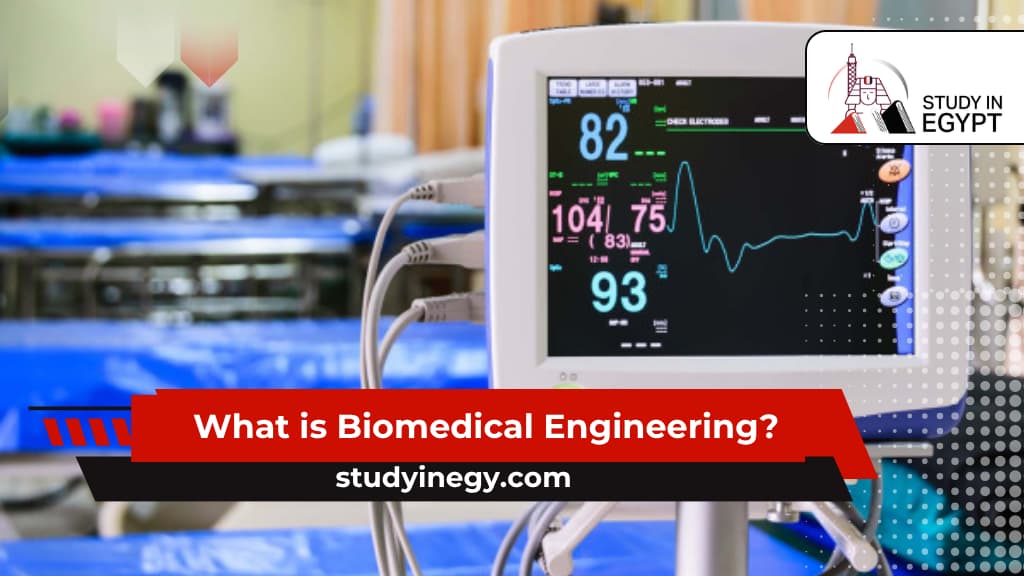
What is biomedical engineering?! Biomedical Engineering, also known as Medical Technology Engineering, is the science concerned with studying the human body from an engineering perspective. It serves as a bridge between medicine and engineering, as a biomedical engineer must understand the human body in order to design compatible prosthetic limbs, artificial organs, and medical devices.
Biomedical engineering is considered one of the newest branches of engineering that emerged alongside the advancement of modern medicine. In the past, doctors handled diagnosis, treatment, and even pharmaceutical production on their own. Today, biomedical engineers have become essential partners to physicians in diagnosis, treatment, and patient monitoring.
Due to the urgent need to develop medical devices and equipment that improve patient health and accelerate recovery, specialists from fields other than medicine became involved in designing such technologies, including electrical engineers, mechanical engineers, and computer engineers.
These engineers also needed knowledge of medical sciences such as anatomy and physiology in order to understand how the body’s systems function and apply their engineering expertise to improve medical equipment. As a result, the need arose for a professional who possesses partial expertise in all these disciplines and can effectively collaborate with doctors without replacing any of them.
Types of Medical Devices in Biomedical Engineering __ What is Biomedical Engineering
Biomedical engineering deals with two major categories of medical devices:
Diagnostic Medical Devices
Examples include ultrasound machines.
The most important diagnostic equipment are those used for imaging and visualization inside the patient’s body, which fall under the field of medical imaging. Biomedical engineers who develop these devices must possess extensive knowledge in biology, medicine, engineering, and mathematics. These devices can pose serious risks to human life if used incorrectly or excessively.
Examples include:
- Magnetic Resonance Imaging (MRI) scanners
- Computed Tomography (CT) scanners
- X-ray imaging devices
- Gamma cameras
- Ultrasound imaging systems
- Mammography devices
- Devices for recording signals from the heart, brain, muscles, eyes, and more
Therapeutic Medical Devices
Examples include chemotherapy devices and wave-based therapy systems.
It is commonly believed that biomedical engineering is limited to medical equipment and maintenance; however, the field extends far beyond that to include hospital management, prosthetics, artificial organs, and many other applications.
Biomedical engineering applies physics, chemistry, mathematics, and engineering fundamentals to the study of biology (mainly the human body) in order to better understand diseases and develop advanced healthcare solutions.
Examples include:
- Pacemakers (artificial cardiac rhythm devices)
- Defibrillators (electric shock devices)
- Medical endoscopes
- Dialysis machines (artificial kidneys)
- Artificial hearts
- Cobalt therapy devices
- Artificial blood vessels
- Other medical technologies
One of the latest innovations is a medical system directly connected to the patient’s body through sensors that measure vital signs such as heart rate, body temperature, and breathing rate. These signals are continuously transmitted to a receiver located in the patient’s home.
If the patient experiences an emergency, such as a heart attack, sudden changes in these indicators trigger an alert sent to a nearby hospital for immediate medical assistance. Elderly people are among the primary users of this technology.
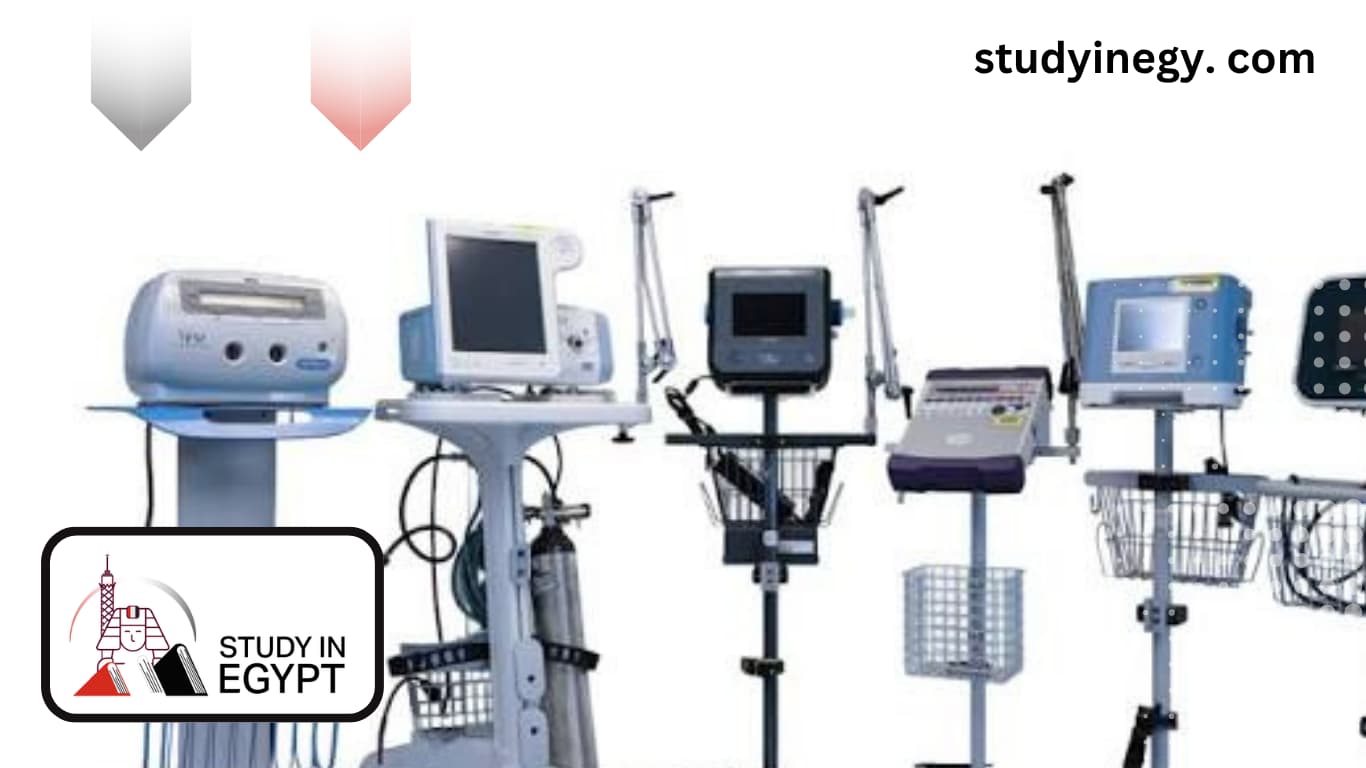
Artificial Organs
Artificial organs are medical devices that can replace damaged biological organs in humans or animals, such as prosthetic limbs. The surfaces of these organs may be made from silicone or titanium. Artificial organs often contain electronic circuits and can move.
The latest prosthetic limbs are connected to nerves and move according to neural signals from the brain. Individuals who suffered severe injuries during wars commonly use these advanced prosthetics. One of the most widespread artificial implants is the artificial hip joint.
Artificial organs are not limited to prosthetic limbs only; scientists have recently developed artificial livers as well.
Examples of artificial organs include:
- Artificial hearts
- Artificial pancreases
- Artificial livers
Biomedical Engineering Specializations __ What is Biomedical Engineering
Biomedical engineering includes several branches, such as:
- Biomechanics and Tissue Engineering
- Biosignal Processing
- Neural Engineering
Related fields include:
- Surgical Instruments and Medical Devices
- Biomaterials
- Telehealth
- Medical Imaging
Biomedical Engineering Courses
This section includes subjects commonly studied by biomedical engineering students:
- Engineering Workshops
- Engineering Drawings
- Calculus
- Intermediate Analysis
- Ordinary Differential Equations
- General Chemistry
- General Physics
- Introduction to Engineering
- Programming for Engineers
- Physiology and Anatomy
- Physiology and Anatomy Lab
- Introduction to Biomedical Engineering
- Economics and Engineering Management
- Introduction to Linear Systems
- Electric Circuit Analysis
- Electric Circuit Analysis Lab
- Tools for Biomedical Engineers
- Statistics for Biomedical Engineers
- Numerical Methods for Engineers
- Medical Electronics
- Medical Electronics Lab
- Biomedical Signals and Systems
- Biomechanics
- Bio Fluid Mechanics
- Thermodynamics
- Biomedical Instrumentation
- Biomedical Instrumentation Lab
- Biomedical Sensors and Transducers
- Digital Signal Processing
- Physiological Modeling and Control Systems
- Physiological Modeling and Control Systems Lab
- Introduction to Biomedical Materials
- Biomedical Transport Phenomena
- Medical Imaging Systems
- Microcontrollers and Embedded Systems
- Microcontrollers and Embedded Systems Lab
- Biomedical Engineering Design
- Engineering Training
- Sensors and Bio Measurements Lab
- Biomechanics and Biomaterials Lab
- Cell and Molecular Biotechnology
- Organic Chemistry
- Biochemistry
- General Biology
- Digital Image Processing
- Prosthetics and Orthotics
- Total Body and Occupational Biomechanics
- Tissue Biomechanics
- Biomems and Nanotechnology
- Physiological Fluid Mechanics
- Artificial Organs
- Protein and Cell Engineering
- Tissue Engineering
- Bionics and Nanomedicine
- Control and Communication in the Nervous System
- Diagnostic and Therapeutic Ultrasound
- Bioinformatics
- Magnetic Resonance Imaging
- Rehabilitation Engineering and Assistive Technology
- Therapeutic Devices
- Introduction to Biomedical Optics
- Medical Informatics and Clinical Engineering
- Healthcare Management Systems
Advantages of Studying Biomedical Engineering
Biomedical engineering bridges engineering principles with medical sciences and offers a promising future and prestigious career opportunities. Specialists in this field can design and develop medical devices, smart prosthetics, and advanced healthcare systems.
It also provides high salaries, strong job stability, and diverse career opportunities in hospitals, healthcare institutions, and technology companies.
Key Advantages of Biomedical Engineering
Combination of Engineering and Medicine
The field allows students to understand human physiology while applying engineering disciplines such as mechanics, electronics, and computer science to improve quality of life.
Direct Impact on Healthcare
Graduates contribute to developing accurate diagnostic and therapeutic devices, improving medical diagnosis and patient recovery.
Wide and Promising Career Opportunities
Graduates can work in:
- Medical device design and maintenance
- Medical imaging
- Prosthetics
- Biomaterials
- Hospitals
- Manufacturing companies
Bright Career Future
The field is increasingly in demand due to:
- Technological advancements in healthcare
- The integration of Artificial Intelligence in medicine
- Growing global healthcare needs
Innovation and Creativity
Biomedical engineering encourages innovation in designing technologies such as artificial organs and wearable medical devices.
Prestigious Social Status
The profession enjoys a respected status because it combines the precision of engineering with the humanitarian mission of medicine.
Additionally, countries such as Egypt and Turkey offer advanced educational programs in biomedical engineering with modern laboratories and practical training opportunities in hospitals.