A Bachelor of Science in Engineering Technology; some people confuse studying engineering with engineering technology. The difference between engineering and engineering technology lies in their focus on theoretical and applied aspects.
Engineering focuses on studying the scientific and mathematical principles of designing and analyzing systems, along with research and development and problem-solving.
But engineering technology is all about putting things into practice. This gives the students the skills they need to run and fix engineering systems in real life. In short, engineering is the field of design and planning, while engineering technology is the field of putting those plans into action and making sure they are carried out using modern tools and methods.
Engineering is a scientific and practical field that uses math and physics to come up with creative and precise ways to solve problems. There are many types of engineering, such as mechanical, civil, computer, and chemical. All branches of engineering are the basis for progress in industry and technology. They help make life better and build a better future.
Examples of Engineering Disciplines
- Civil Engineering: Concerned with the design, construction, and maintenance of infrastructure such as roads, bridges, and dams.
- Mechanical Engineering: Focuses on the design, development, and operation of machines and mechanical systems.
- Chemical Engineering: Deals with converting raw materials into useful products, such as pharmaceuticals.
- Aerospace Engineering: Specializes in the design and development of aircraft and spacecraft, as well as navigation systems.
- Electrical Engineering: Focuses on designing and developing electrical and electronic systems such as circuits and communication systems.
Engineering Technology
Engineering Technology is a field that combines engineering principles with practical application. It focuses on implementing, designing, and maintaining technical systems. Unlike traditional engineering, this field leans more toward hands-on work, such as operating machinery and improving industrial processes.
Educational programs in engineering technology aim to prepare students with the technical skills needed to design, operate, and maintain systems and equipment. This is achieved through a combination of scientific knowledge and practical training. Laboratories and field experiments are central to this discipline due to its strong emphasis on real-world applications.
Examples of Engineering Technology Specializations
- Electrical Engineering: This field is all about designing and building electrical and electronic systems, like circuits and communication systems.
- Mechanical Engineering Technology: Focuses on operating machinery and equipment in areas such as manufacturing and refrigeration.
- Computer Engineering Technology: Combines programming and engineering to develop and maintain computer systems.
- Renewable Energy Engineering Technology: Focuses on operating and maintaining solar and wind energy systems.
- Manufacturing Engineering Technology: Involves managing and operating production equipment and improving manufacturing processes with a focus on quality.
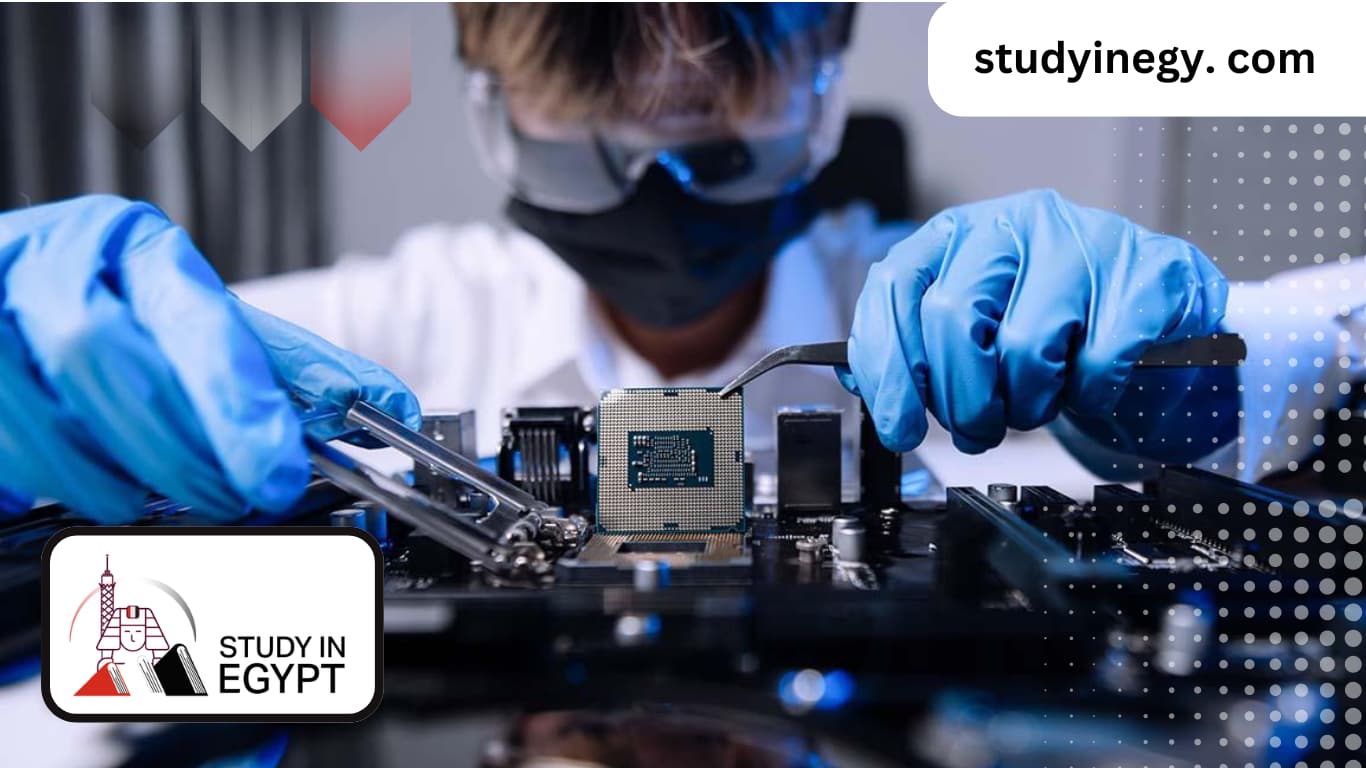
Advantages of Studying Engineering Technology
- Strong focus on practical application, providing hands-on experience with equipment and tools.
- Programs prepare students to enter the job market directly.
- Offers a wide range of career opportunities.
- Variety of specializations provides flexibility in choosing a field.
- Professionals in this field often receive competitive salaries.
- Balances theoretical knowledge with technical skills to solve real-world problems.
- Diverse work environments are available for graduates.
Differences in Career and Job Roles
Understanding the differences between engineering and engineering technology becomes clearer when examining job roles:
- Electrical Engineering Technician: Works alongside engineers to build and test designs, create layouts for electrical systems, supervise workflows, and estimate costs.
- Manufacturing Engineering Technician: Designs, develops, analyzes, and implements equipment to improve manufacturing processes.
- Computer Network Support Specialist: Builds and maintains secure computer networks, upgrades systems, and enhances data security.
- General Engineering Technician: Assists engineers in building, testing, and improving designs.
Key Differences Between Engineering and Engineering Technology
1. Focus
- Engineering: Focuses on theoretical knowledge and analytical skills, with an emphasis on using math and physics to come up with new ideas and designs.
Engineering Technology: Teaches students how to use modern tools and techniques to operate, maintain, and implement systems.
2. Duration of Study
- Engineering: Typically takes 5 years and includes in-depth study of mathematics, physics, and specialized subjects, along with theoretical and practical training.
- Engineering Technology: Usually takes 4 years, with a stronger emphasis on hands-on training and technical applications.
3. Career Fields
- Engineering: The specialist will work in design, manufacturing, construction, energy, software, aerospace, and chemical industries, with roles in design, supervision, research, and development.
- Engineering Technology: In fields like manufacturing, energy, communications, and IT, it focuses on technical and operational roles like system operation, maintenance, quality assurance, and project supervision.
4. Required Skills
- Engineering: You need to be able to think critically, analyze things, be creative, know a lot about science, and be able to manage projects.
Engineering Technology: You need to be able to use and take care of systems, be good with tools and equipment, solve problems, and be able to work in different places.